Last updated: November 2026
Agencies usually come to white label WordPress development for one reason: they’ve sold more websites than their team can build. Saying no to clients hurts, but hiring a full-time developer for a busy quarter is risky. I’m a developer based in Pakistan working remotely with clients in the UK, UAE, USA and Canada, and I build and fix WordPress sites behind the scenes for agencies that keep the client relationship and their own brand. In this post I’ll explain how the model works, how agencies price it, how to protect your brand and clients, and what a smooth hand-off looks like from brief to launch.
Quick answer: White label WordPress development means a partner builds sites that you deliver under your agency’s name. You keep the client and the margin; the partner signs an NDA, follows your standards and never contacts your client directly.
What Is White Label WordPress Development?
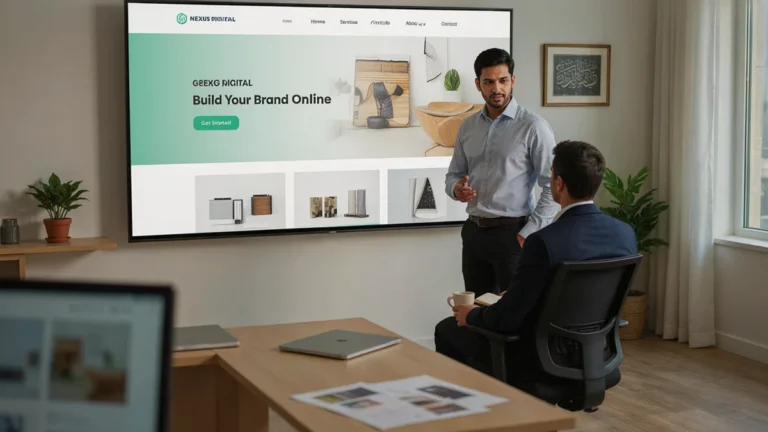
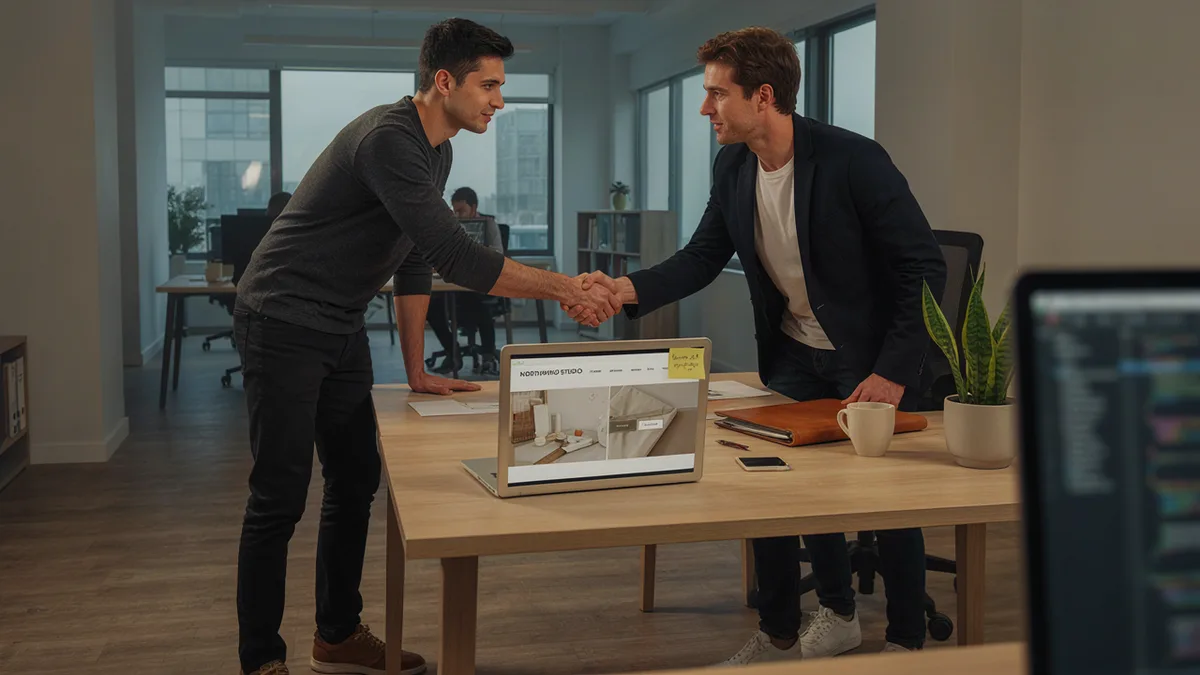
With white label WordPress development, an outside developer or team does the build, and your agency presents the finished site as its own work. Your client never sees the partner’s name. You handle sales, strategy and account management; the partner handles the hands-on development.
Typical white label tasks include:
- Converting Figma or Adobe XD designs into WordPress themes or Elementor/Gutenberg pages.
- Full WooCommerce builds with payment, shipping and tax setup.
- Speed optimisation and Core Web Vitals fixes.
- Malware clean-ups and security hardening.
- Ongoing maintenance for your agency’s care plans.
- Migrations from Wix, Squarespace or Shopify to WordPress.
Why Agencies Choose White Label Instead of Hiring
No fixed salary in quiet months
Agency work comes in waves. A white label partner lets you take on a big month without carrying the cost in a slow one.
Faster turnaround
An experienced WordPress developer has templates, workflows and checklists ready. Your projects start sooner.
Wider skill set
Maybe your in-house team is great at design and SEO but weaker on custom WooCommerce logic or server-level performance. White label WordPress development fills that gap without a new hire.
Better margins
If you charge your client £3,000 and your partner’s cost is a fraction of that, your agency earns a healthy margin while still offering a competitive price.
How the Workflow Usually Looks
- Brief: you send the design files, sitemap, content and any technical notes.
- Scope and quote: the partner confirms what’s included, timeline and price.
- Staging build: the site is built on a staging URL you control, often your own server.
- Internal review: your team checks it against the design and your QA checklist.
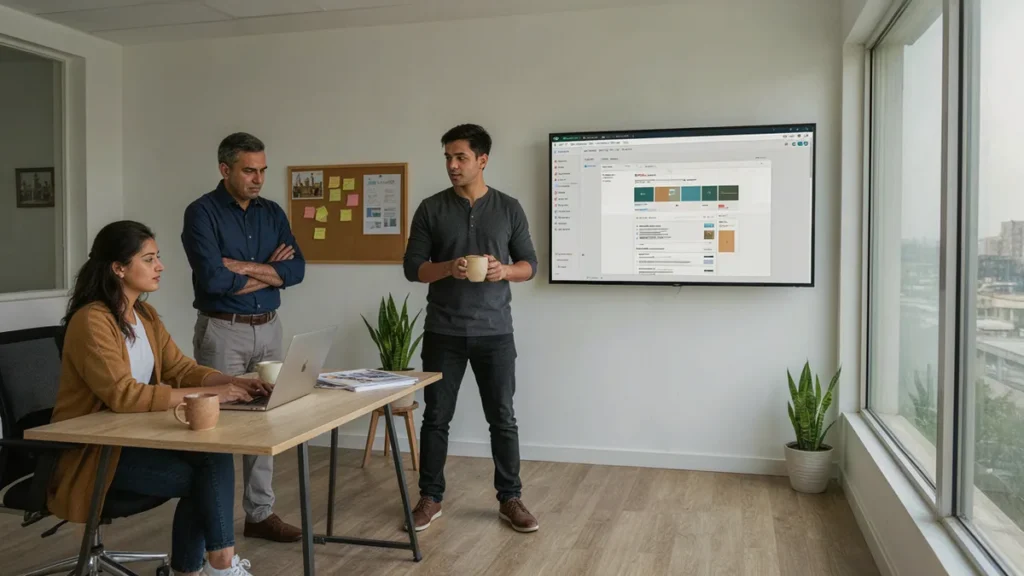
- Client review: you present it to your client as usual.
- Revisions: feedback goes through you, never directly to the partner.
- Launch and handover: the partner helps with go-live, then supports you for an agreed period.
The key rule: the partner talks only to you. No emails to your client, no credits in the footer, no links back to their own site.
Pricing Models Agencies Use
| Model | How it works | Best for |
|---|---|---|
| Per project | Fixed price per website or feature | Clear designs and scope |
| Hourly | Pay for actual hours worked | Fixes, changes, unclear scope |
| Monthly block | Reserved hours each month | Agencies with steady work |
| Maintenance per site | Fixed fee per site per month | Agency care plans |
As a rough idea, white label builds from an experienced Pakistani developer usually start from around $400-$1,500 per brochure site and hourly support usually starts from around $15-$35 per hour. Complex WooCommerce or custom functionality costs more.
Protecting Your Brand and Your Clients
Sign an NDA and a non-solicitation agreement
Your white label partner should never approach your clients. Put it in writing.
Use your own accounts
Keep hosting, domains, plugin licences and repositories in your agency’s or your client’s name. The partner gets access, not ownership.
Agree on coding standards
Share your preferred theme, page builder, plugin list and naming rules. Many agencies follow the official WordPress coding standards for anything custom.
Licensing must be clean
Every theme and plugin must be properly licensed. Pirated plugins can put malware on your client’s site and your agency’s reputation on the line. WordPress itself is GPL-licensed, which you can read on the official WordPress license page, but premium plugins still need valid licences for updates and support.
Quality Checks Before You Present to a Client
Use a short QA list every time:
- Pixel check against the design on desktop, tablet and mobile.
- PageSpeed test on mobile — see my notes on improving a WordPress PageSpeed score.
- Forms tested and delivering to the right inbox.
- No placeholder text, broken links or test products.
- SEO basics: titles, meta descriptions, alt text, sitemap, no “discourage search engines” left ticked.
- Backups and security plugin active.
- Admin user list cleaned up.
Handling Revisions, Scope Creep and Support
Most agency-partner relationships break down over revisions, not over the first build. Your client asks for “a small change” ten times, and suddenly nobody knows what was in the original price. Agree on these rules before the first project:
Revision rounds
Decide how many revision rounds are included per page or per milestone, typically two. Anything beyond that is billed hourly or quoted separately. Write it into your partner agreement and, ideally, into your client contract too.
Change requests
When a client asks for a new feature mid-project, your partner should send you a short change note with time and cost before doing the work. You then decide whether to absorb it or pass it on.
Post-launch support window
Agree on a bug-fix window after launch, such as 14 or 30 days, during which the partner fixes anything that doesn’t work as built. New requests after that move to your maintenance arrangement.
Documentation
Ask for a short handover note per site: theme and plugins used, custom code locations, any cron jobs or API keys needed, and admin users created. This protects your agency if you ever switch partners.
Good white label WordPress development partners welcome these rules, because they protect the developer as much as the agency.
Choosing the Right White Label Partner
Not every freelancer is ready for white label WordPress development. Agencies need someone who is reliable over months, not just one project. Look for:
- Live work across different industries and builders.
- Clear written English and quick replies in your working hours.
- Comfort working on your staging setup and following your processes.
- A trial project before committing more work.
- Honesty about what they don’t do well.
If you’re new to working with offshore developers, my earlier post on whether to outsource WordPress development covers the pros, cons and time-zone details in more depth.
Why Agencies Hire Me for This
I’m Muhammad Talha, a freelance wordpress developer pakistan agencies use as their quiet, reliable development partner. I offer white label WordPress development for:
- Design-to-WordPress builds from Figma, XD or PDF mockups, in Elementor, Gutenberg or custom themes.
- WooCommerce stores with your client’s payment gateway, shipping and tax setup.
- Speed, security and malware work on existing client sites.
- Monthly care plan support for your agency’s maintenance clients.
I sign NDAs, work only through you, never put my name on the site and follow your QA rules. UK agencies get same-afternoon overlap; US agencies get overnight progress. To start, send me one project brief and I’ll quote it as a trial.
FAQs
Will my clients know I’m using a white label developer?
No. Your partner should work only through you, sign an NDA and leave no credits or links on the site. All communication with the client stays with your agency.
How much does white label WordPress development cost?
It depends on the build and the pricing model. Per-site and hourly ranges above are a starting point; a fixed quote per project gives you a clear margin to work with.
How fast can a white label partner deliver?
A standard brochure site from finished designs usually takes 1-2 weeks. WooCommerce or custom builds take 3-6 weeks depending on scope and feedback speed.
Can you handle ongoing maintenance for our clients?
Yes. Many agencies hand me their care-plan sites for monthly updates, backups, security checks and small tasks, billed per site or as a monthly hour block.
Final Thoughts
White label WordPress development lets your agency say yes to more work without risking payroll or quality, as long as you choose a partner carefully and protect your brand with clear agreements. Start with one project, check the quality, then build a long-term partnership.
If your agency has a backlog right now, send me a brief. I’ll tell you honestly whether I can deliver it to your standard and timeline.